

SUSTAINING
Orchard Grass - Alfalfa Blend
Crude Protein < 15%
Performance
Blend Hay
Premium Hay for
Growing and Lactating Animals
High-protein hay similar to alfalfa, designed to support rapid growth
and milk production in young and nursing herbivores.
What Is Sustaining Hay?
Our sustaining Hay Blend is a carefully balanced mix of orchard grass and alfalfa, grown using regenerative farming practices that prioritize soil health, biodiversity, and long-term productivity, without sacrificing nutrition.
This blend is designed for animal owners who care not only about what they feed, but how it’s grown.
By combining deep-rooted perennial grasses with nitrogen-fixing legumes, Sustaining Hay supports:
Consistent, moderate nutrition
Healthy digestion and dental wear
Lower environmental impact per bale
It’s hay that nourishes animals and the land that grows it.
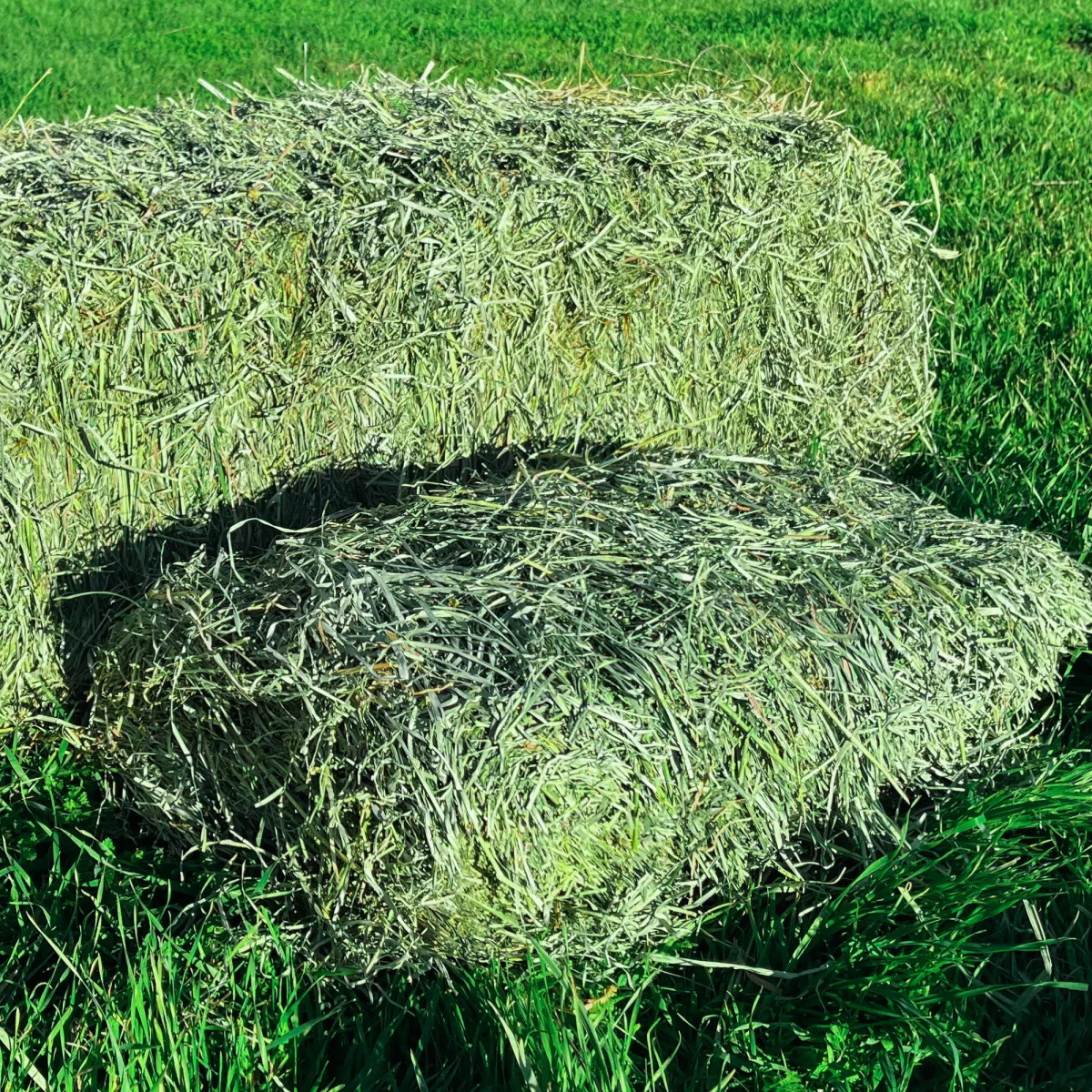
What You Need to Know About Performance Hay
This specialized blend plays a crucial role in maintaining the overall health and performance of animals. It provides high-quality protein and energy, two key components that support rapid growth, reproduction, and recovery.
For animals like rabbits, horses, and other plant eaters, the high fiber content supports healthy digestion and helps prevent issues such as gastrointestinal stasis or colic.
Beyond digestion, performance hay encourages natural chewing behaviors that are vital for proper dental wear, especially in small mammals with continuously growing teeth. By integrating this blend into their diet, you help sustain vitality, support high-demand nutritional needs, and reduce reliance on additional supplements.
Why Orchard Grass + Alfalfa
Is a Sustainable Pairing
🌾 Orchard Grass
Deep root systems improve soil structure and water retention
Slower maturity promotes consistent fiber levels
Ideal for maintaining gut health and steady energy
🌾 Alfalfa
Naturally fixes nitrogen, reducing need for synthetic inputs
Adds plant protein, calcium, and essential minerals
Supports regrowth and long-term pasture productivity
Together, they create a self-supporting system that feeds animals
while rebuilding soil fertility year after year.


Nutritional Value
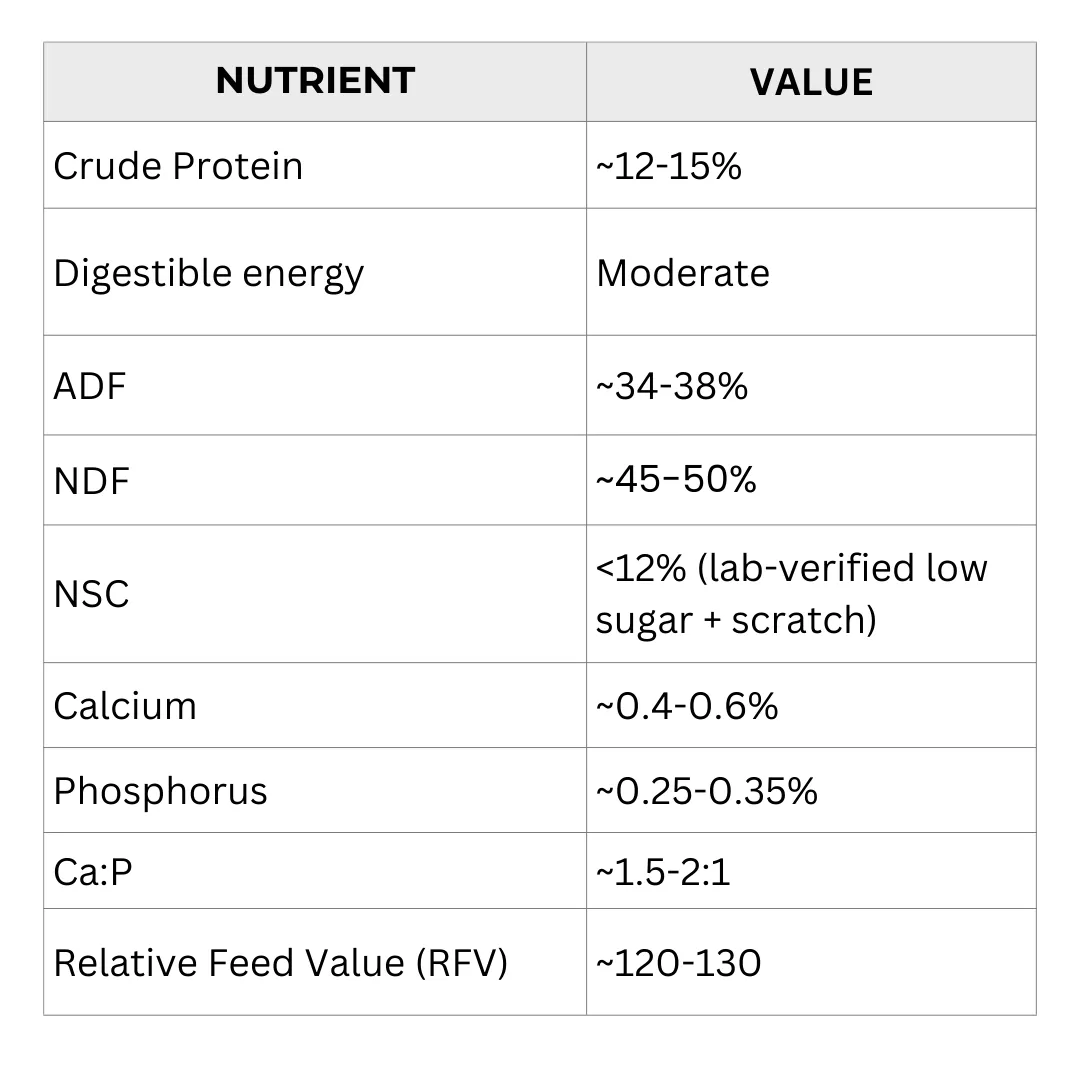
Lab-tested each cutting. Values may vary slightly by harvest
Consider Using Sustaining Hay for:
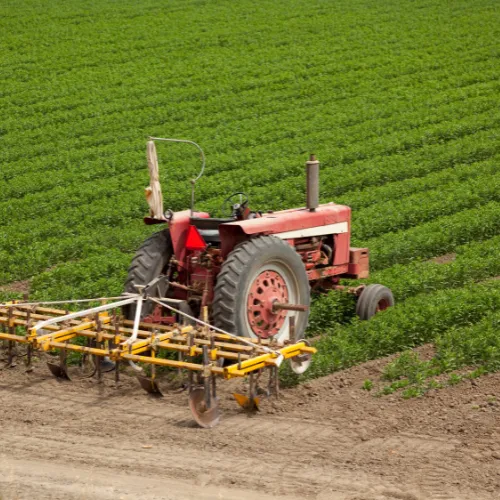
Farms focused on soil regeneration and closed-loop systems
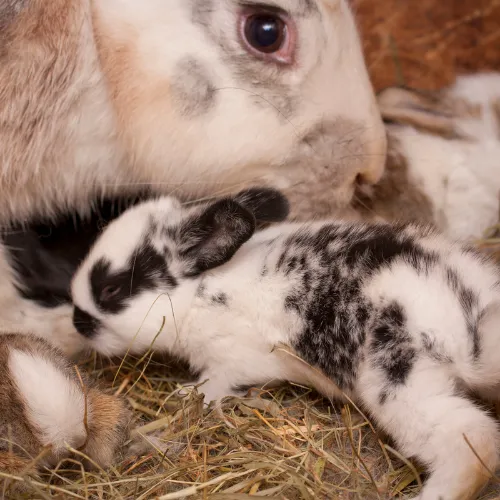
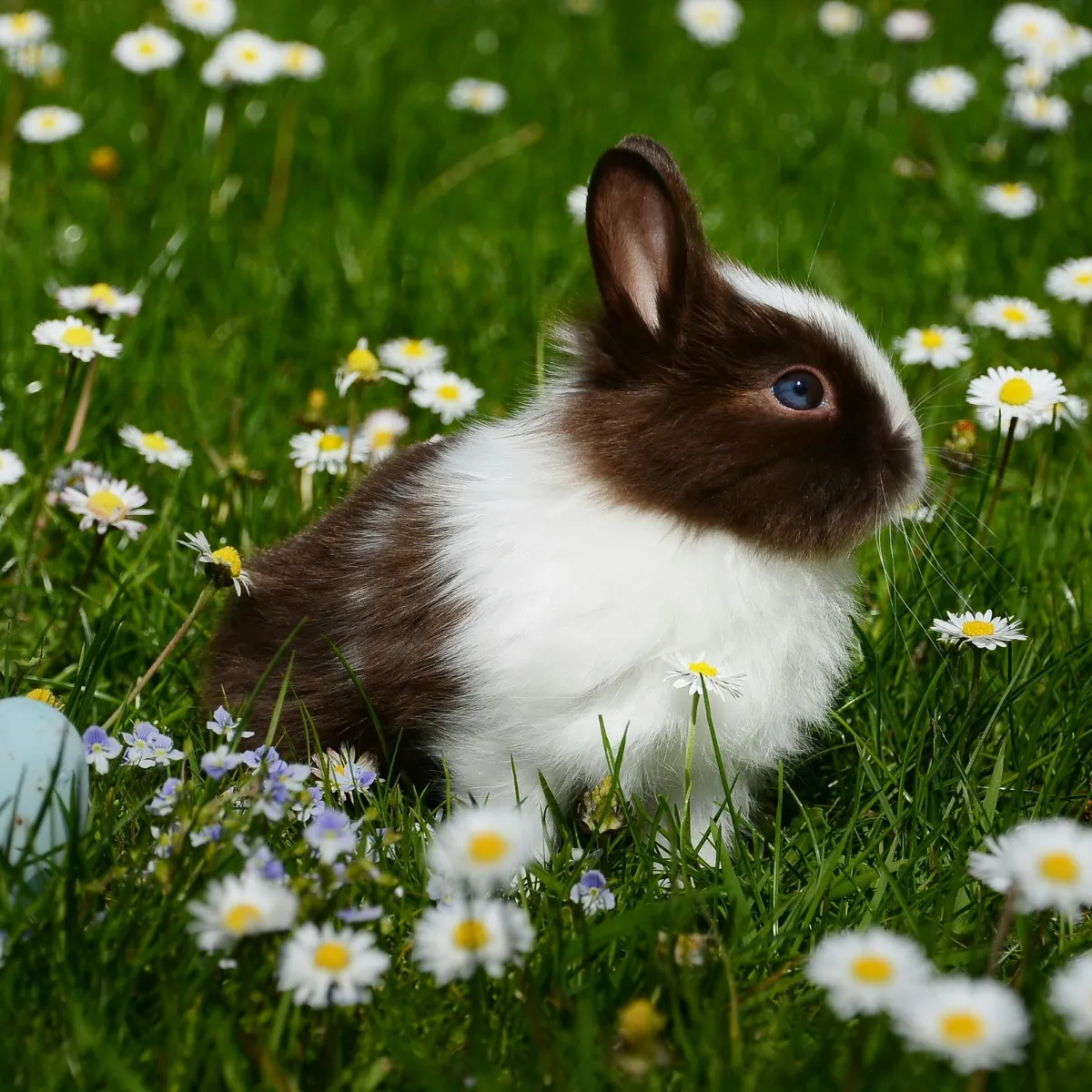
Rabbits needing clean, consistent forage
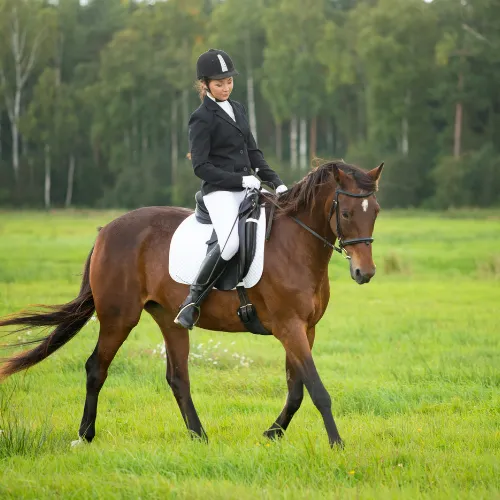
Adult horses in light work or pasture rotation
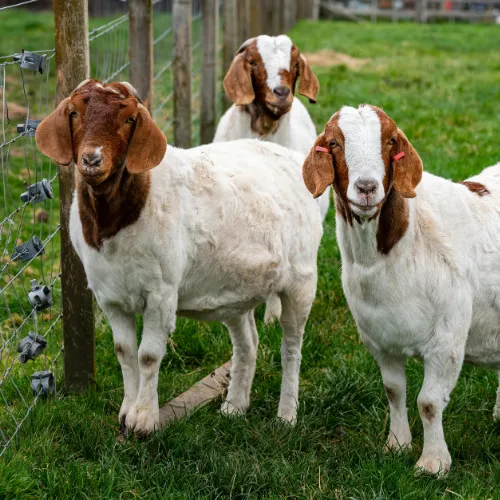
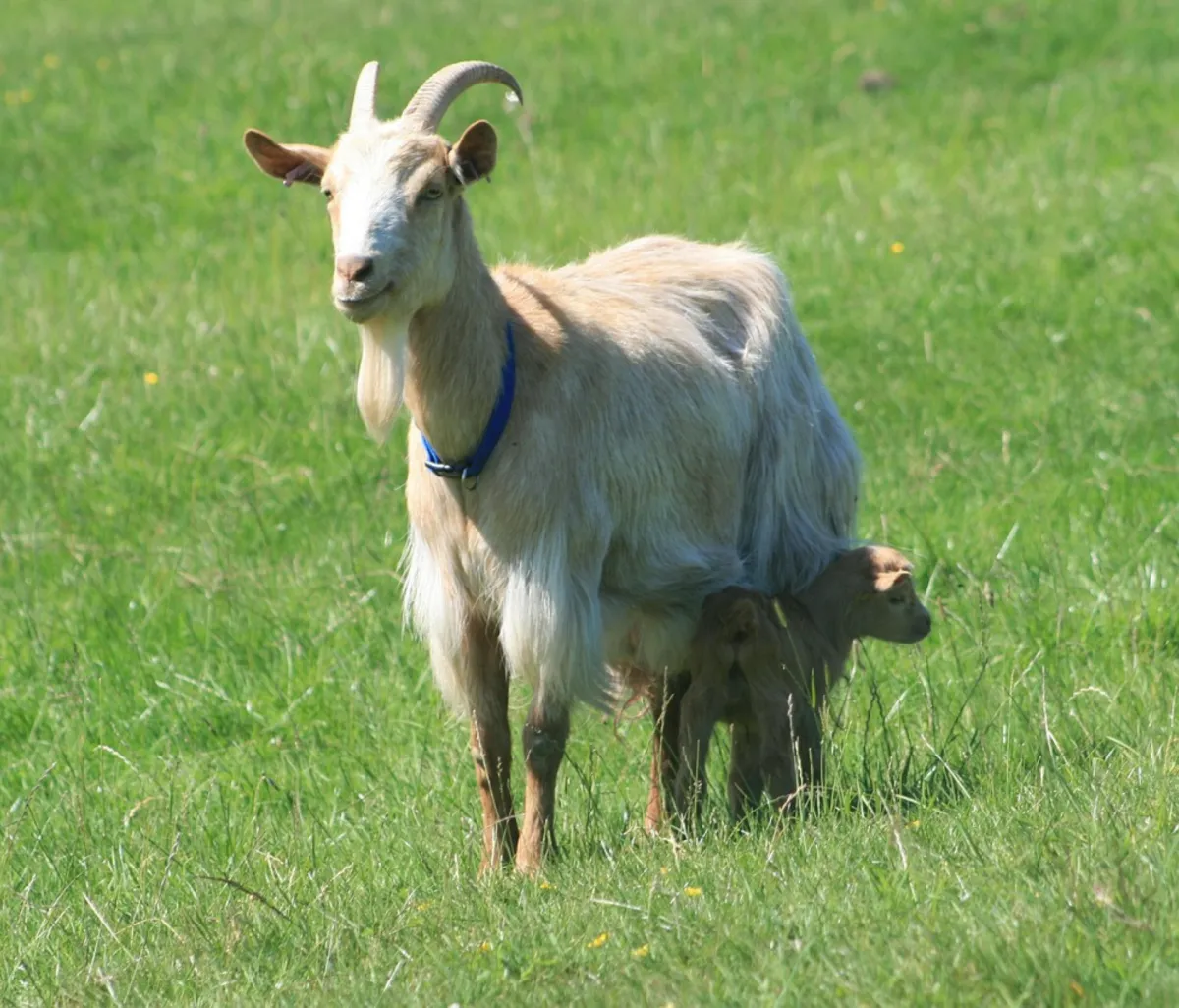
Goat and sheep on maintenance or light production
Nutritional Value
The Performance Blend boasts an impressive nutrient profile. On a dry matter basis, it typically contains the following:
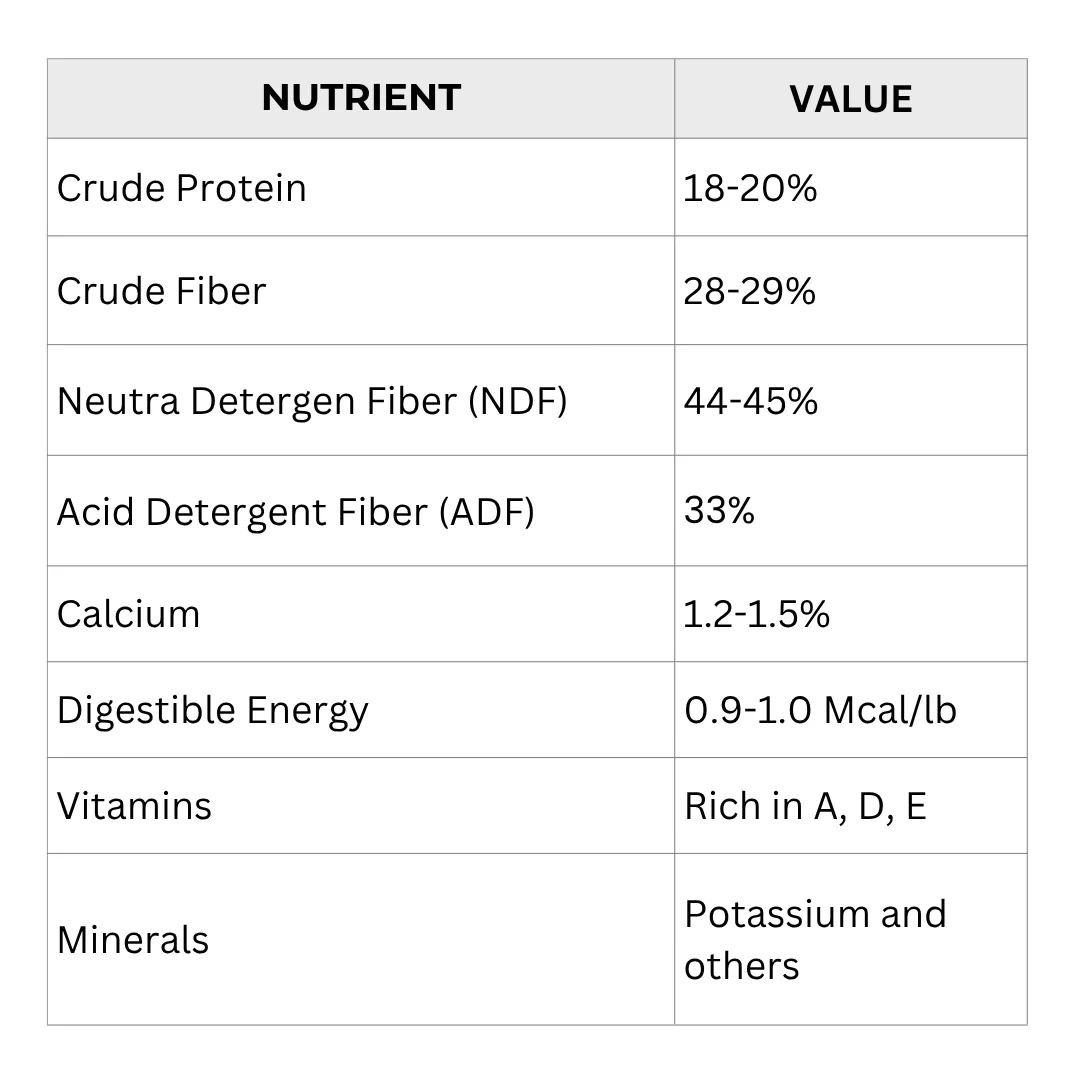

These values can fluctuate with soil quality and curing methods, but overall, it's more palatable and energy-rich than grass alternatives.
Who Will Benefit?
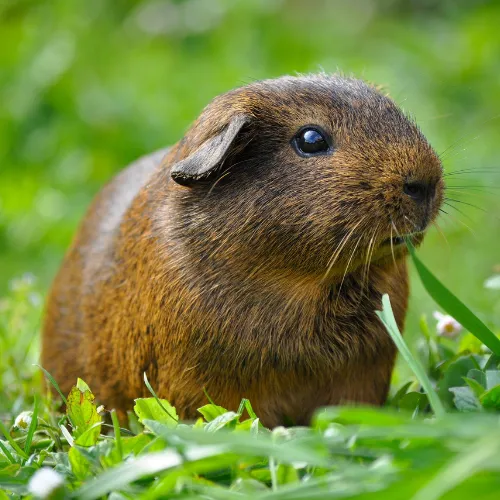
Growing young animals, such as rabbits under 6 months, foals, or young guinea pigs
Lactating mothers, including
nursing rabbit does or mares
Performance horses in training
or competition
Dairy goats or cows
It's not recommended for mature, sedentary adults,
as the high nutrients can lead to imbalances.
Why Sustaining Hay?
Grown using regenerative, soil-first practices
Balanced nutrition without excess protein or sugars
Supports long-term pasture health and carbon sequestration
Lower input farming = cleaner forage
Soft, leafy texture animals clean up eagerly
This blend is ideal when you want responsible nutrition without extremes, no overfeeding, no depletion, no shortcuts.
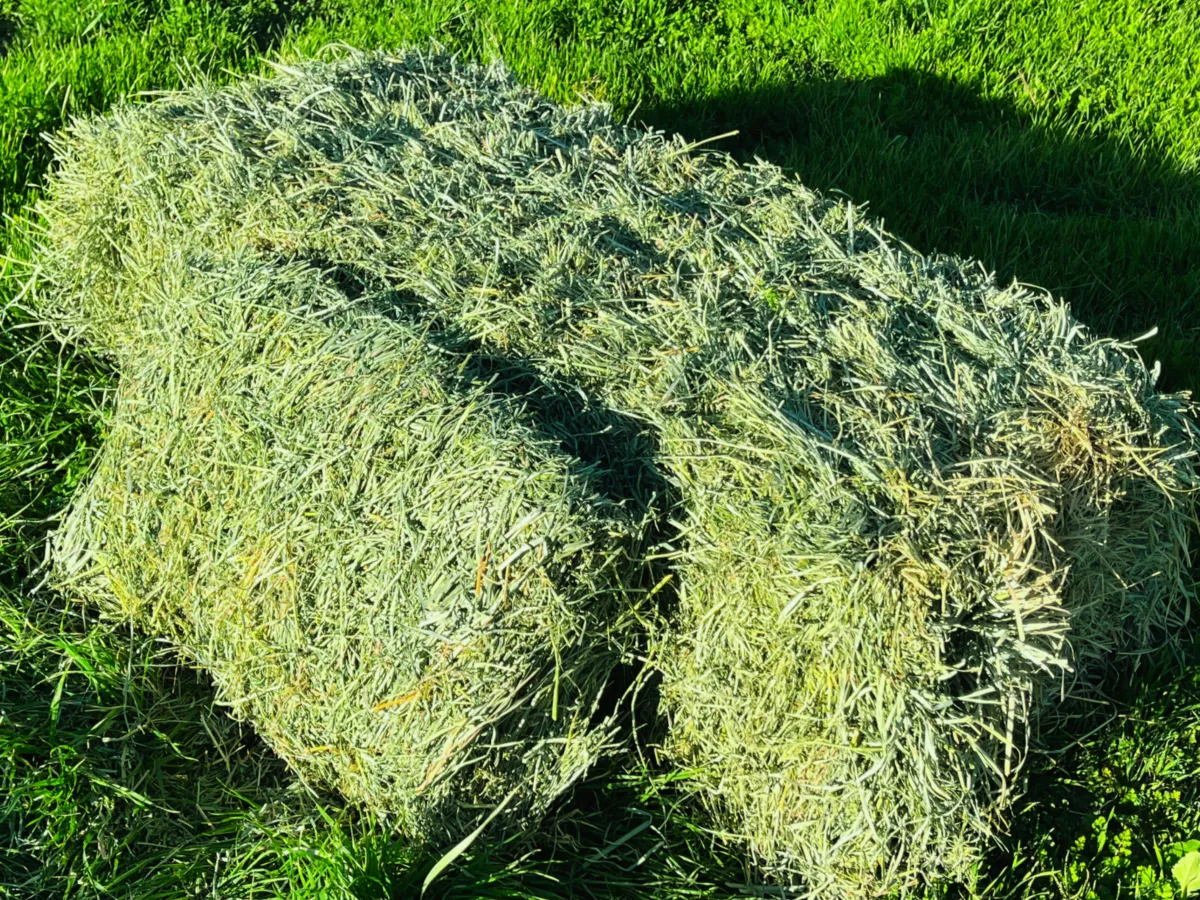
How It can help Animals
The Performance Blend aids in multiple ways:
its protein supports tissue repair and growth, crucial for young animals building bone and muscle mass.
For lactating females, it boosts milk yield and quality.
The fiber promotes healthy gut motility, reducing boredom-induced issues like fur chewing in rabbits while preventing digestive slowdowns.
High calcium strengthens bones and teeth, and the overall energy helps animals recover from illness or maintain condition during stressful periods.
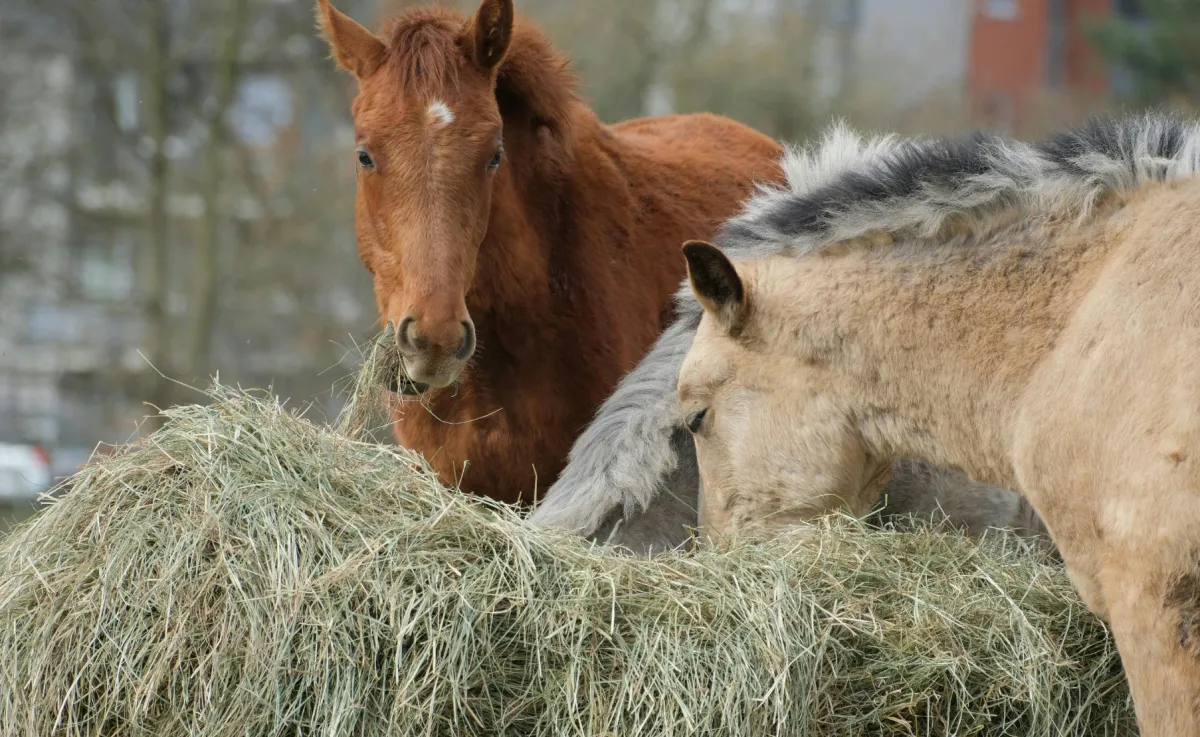
Feeding Directions
Free-choice for most adult animals on maintenance diets
Ideal as a primary forage or mixed with pasture
Adjust intake for animals in higher production stages
⚠️ For late gestation, heavy lactation, or rapid weight gain, consider Performance Blend.
Shelf Life and
Storage
Properly stored, this blend can last 6-12 months without significant nutrient loss.
Store in a cool, dry, well-ventilated area away from direct sunlight and moisture.
Use pallets to elevate bales off the ground.
Cover with breathable tarps if outdoors.
Signs of spoilage: musty odors, discoloration, or visible mold, discard affected portions immediately.
Additional Insights
Potential Drawbacks or Warnings
Excess calcium and protein can cause urinary issues like bladder stones in adult rabbits or obesity in easy-keeper horses, so include disclaimers against long-term use for matures. Monitor for blister beetles in some regions, which are toxic
Feeding Guidelines
Offer unlimited access for young rabbits (switch to grass hay by 6-7 months), or 1-2% of body weight daily for horses, mixed with grass for balance. Introduce gradually over 7-10 days to avoid digestive upset.
Sourcing and Quality Tips
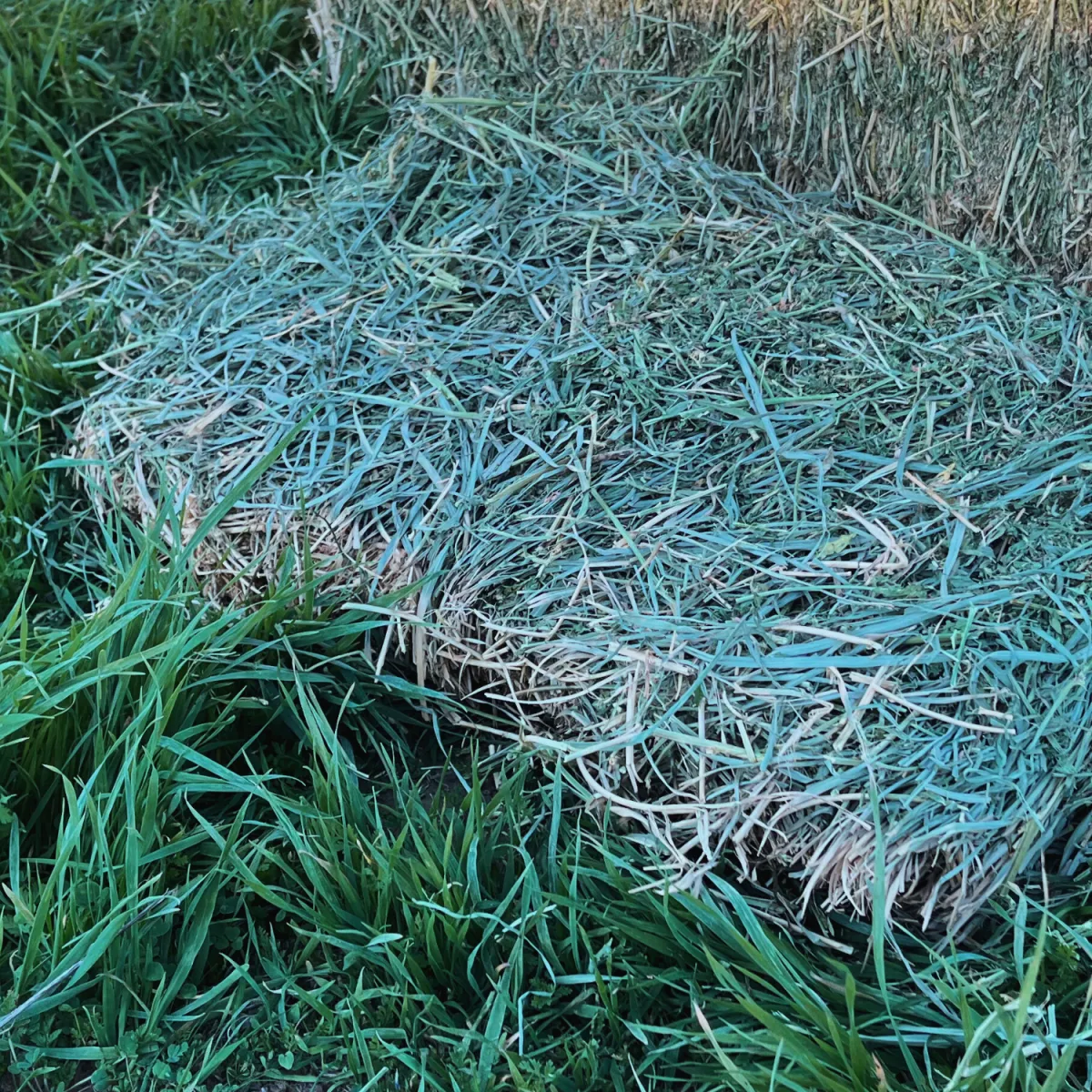
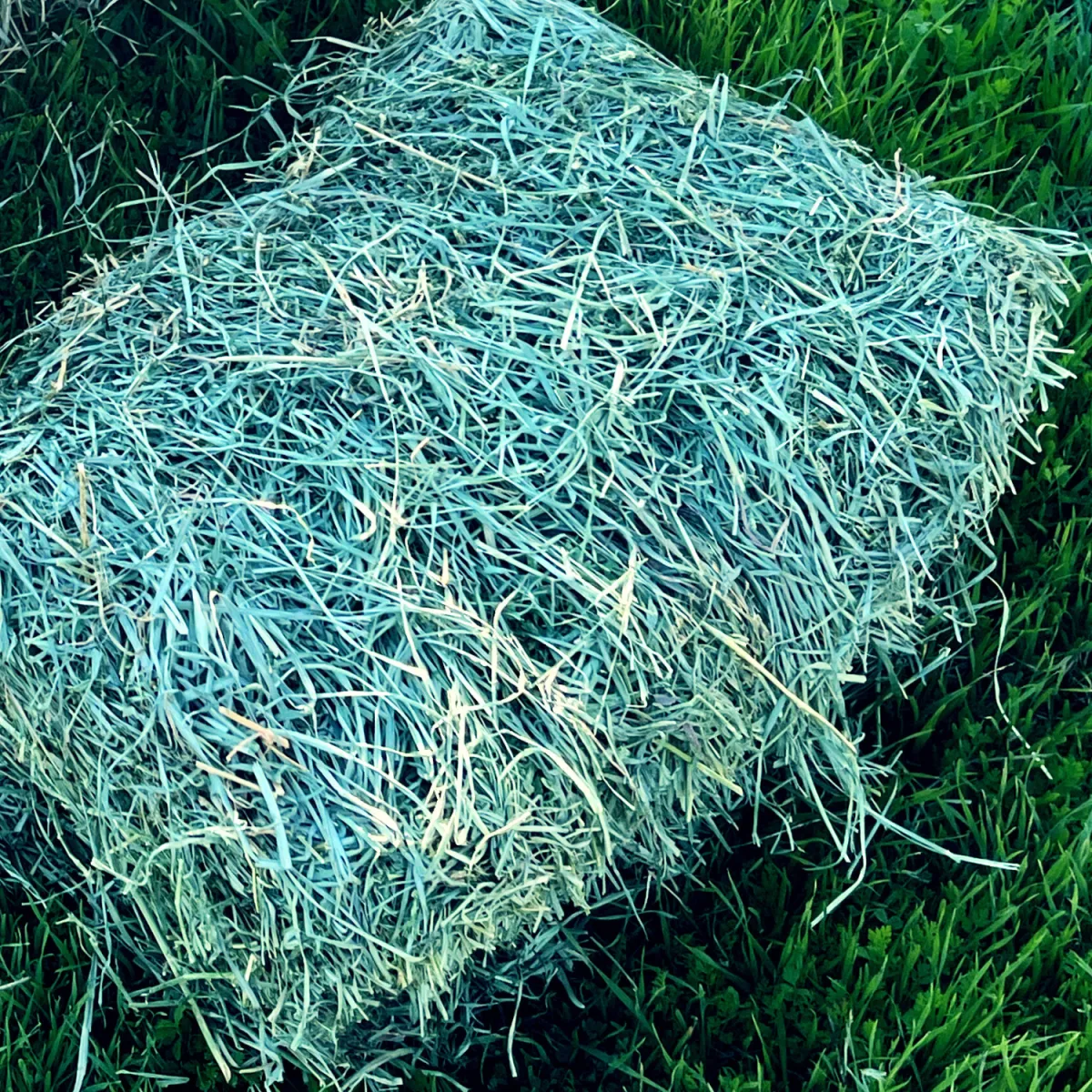
Look for vibrant green color, leafy texture, and a fresh, sweet aroma with minimal dust. Opt for second or third cuttings for higher quality; organic options reduce pesticide exposure. Seasonal availability peaks in spring/summer.
Comparison to Other Hays
Unlike timothy (lower protein), this blend is richer but less suitable for maintenance than mixed grasses.
Additional Insights
Potential Drawbacks or Warnings
Excess calcium and protein can cause urinary issues like bladder stones in adult rabbits or obesity in easy-keeper horses, so include disclaimers against long-term use for matures. Monitor for blister beetles in some regions, which are toxic
Feeding Guidelines
Offer unlimited access for young rabbits (switch to grass hay by 6-7 months), or 1-2% of body weight daily for horses, mixed with grass for balance. Introduce gradually over 7-10 days to avoid digestive upset.
Sourcing and Quality Tips
Look for vibrant green color, leafy texture, and a fresh, sweet aroma with minimal dust. Opt for second or third cuttings for higher quality; organic options reduce pesticide exposure. Seasonal availability peaks in spring/summer.
Comparison to Other Hays
Unlike timothy (lower protein), this blend is richer but less suitable for maintenance than mixed grasses.